
Products
ABOUT US
Shanghai STD Fluid Machinery Technology Co., Ltd.
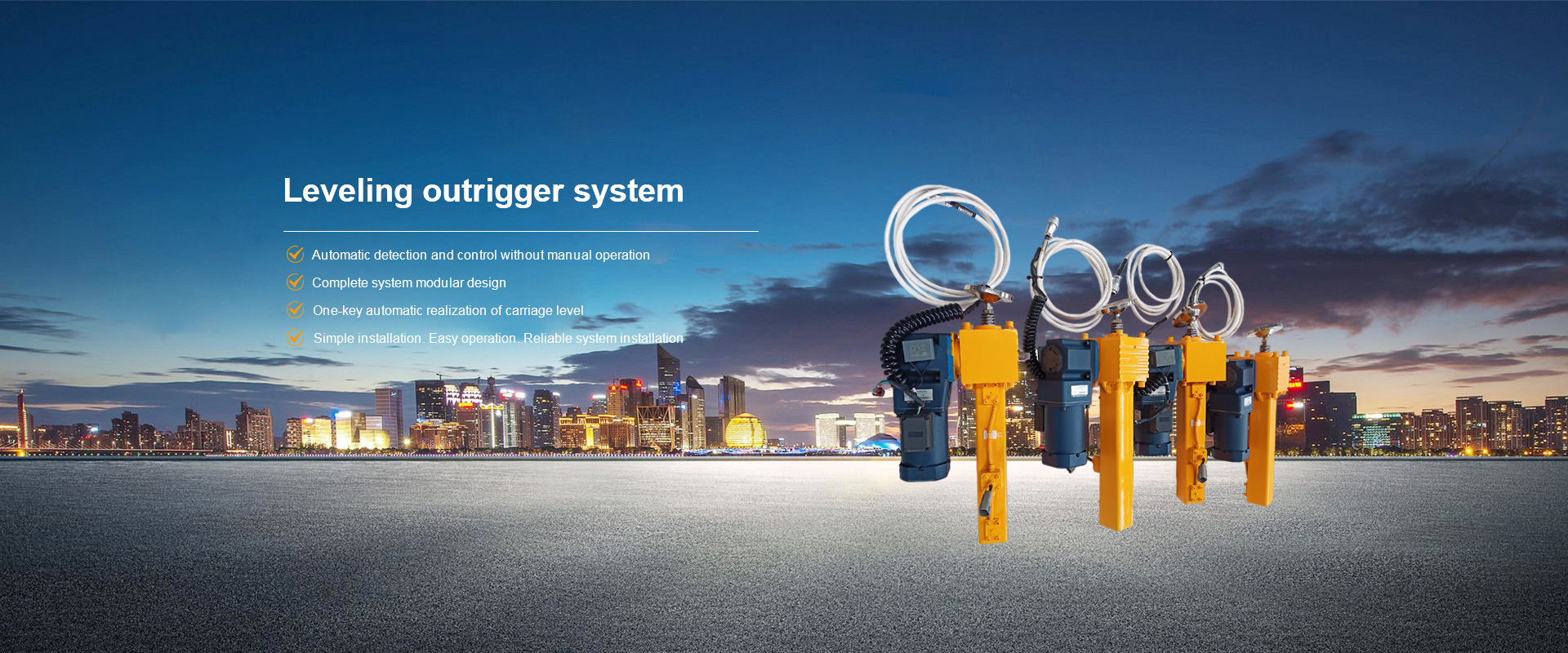
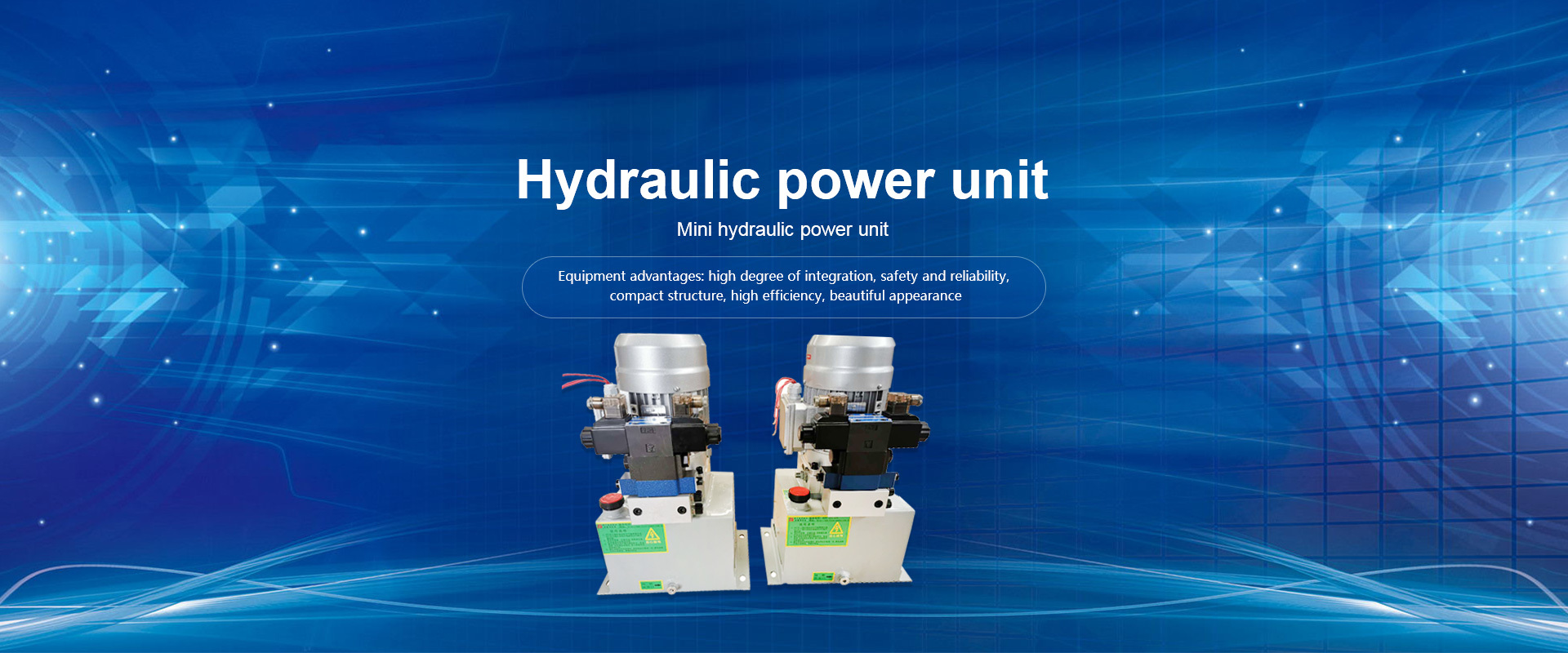
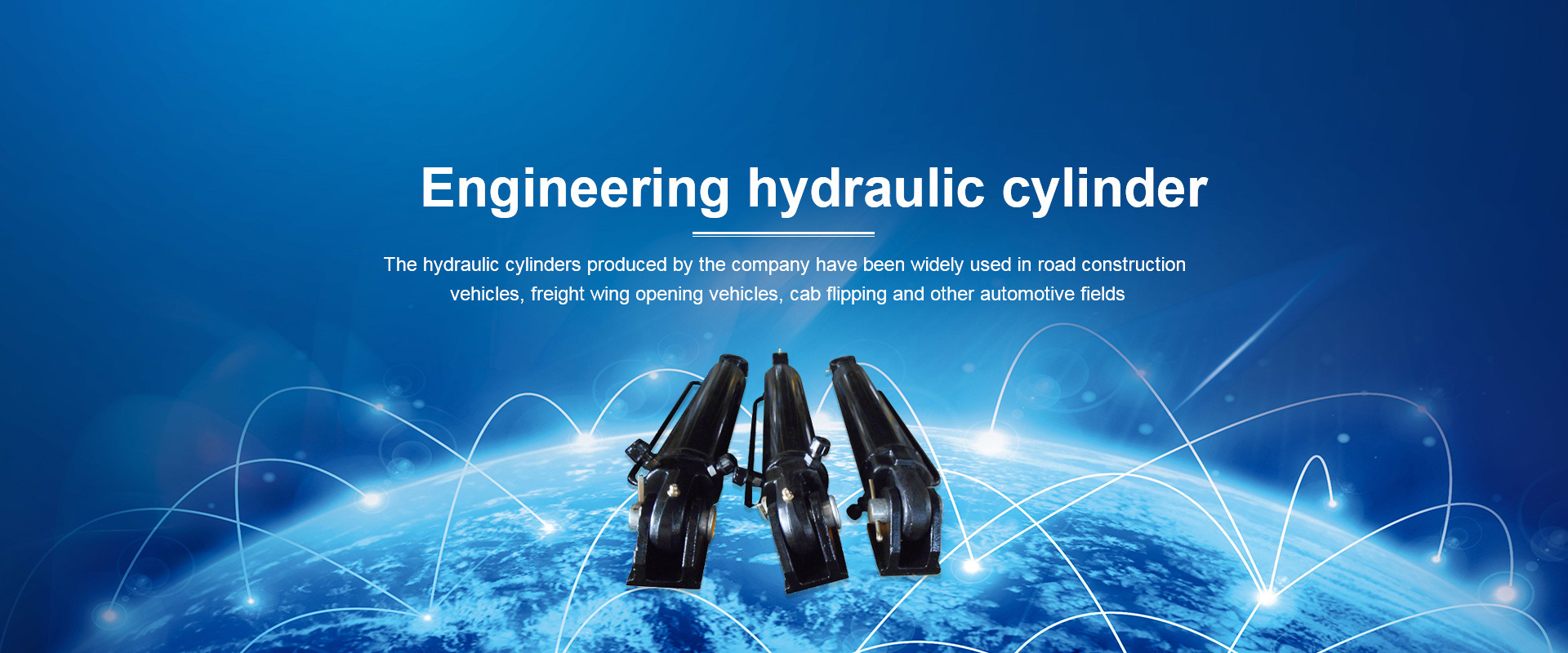
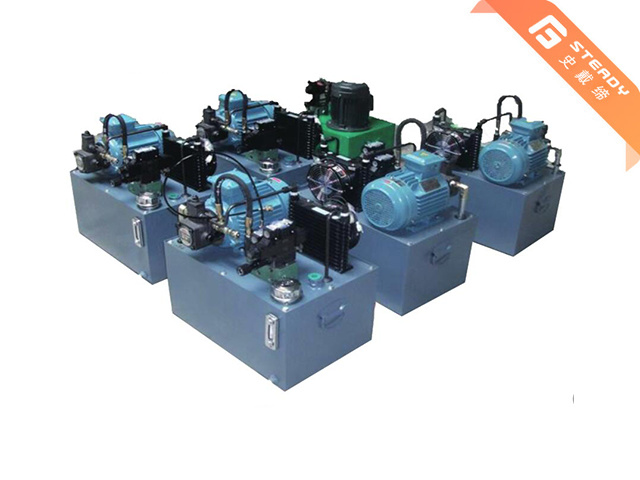
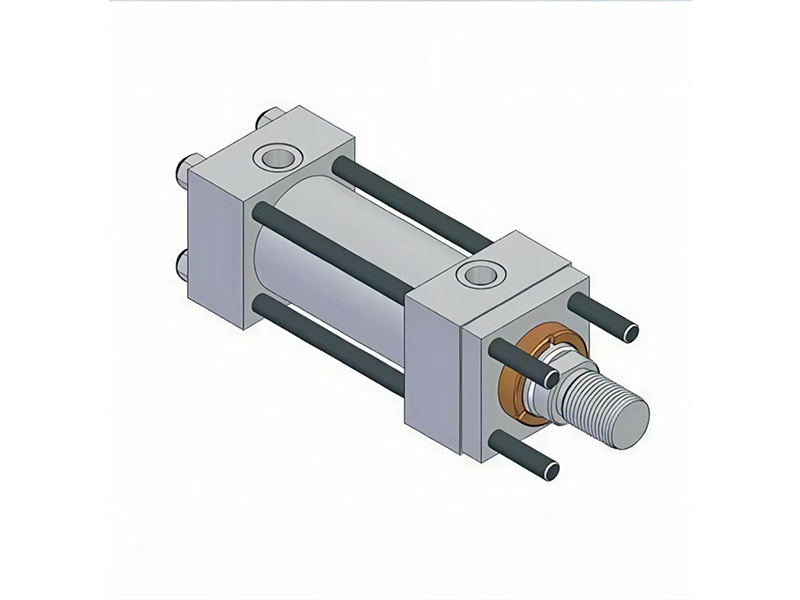
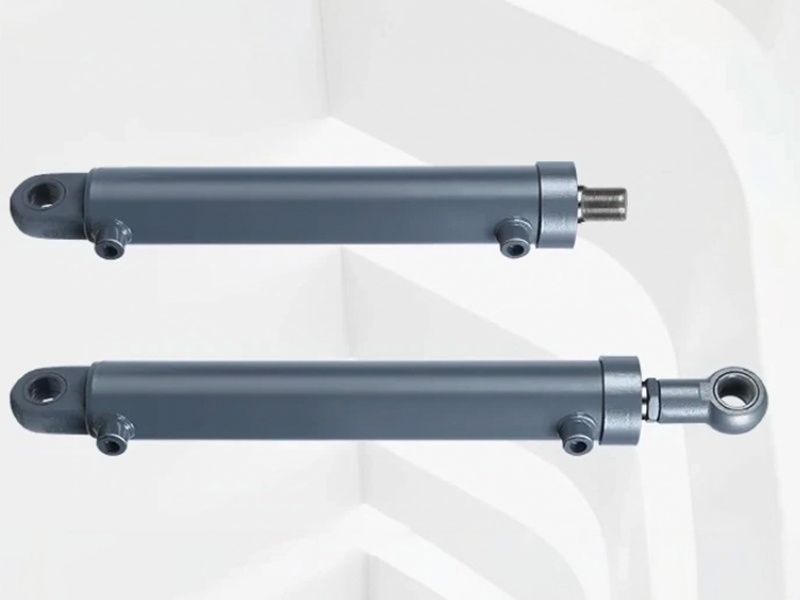
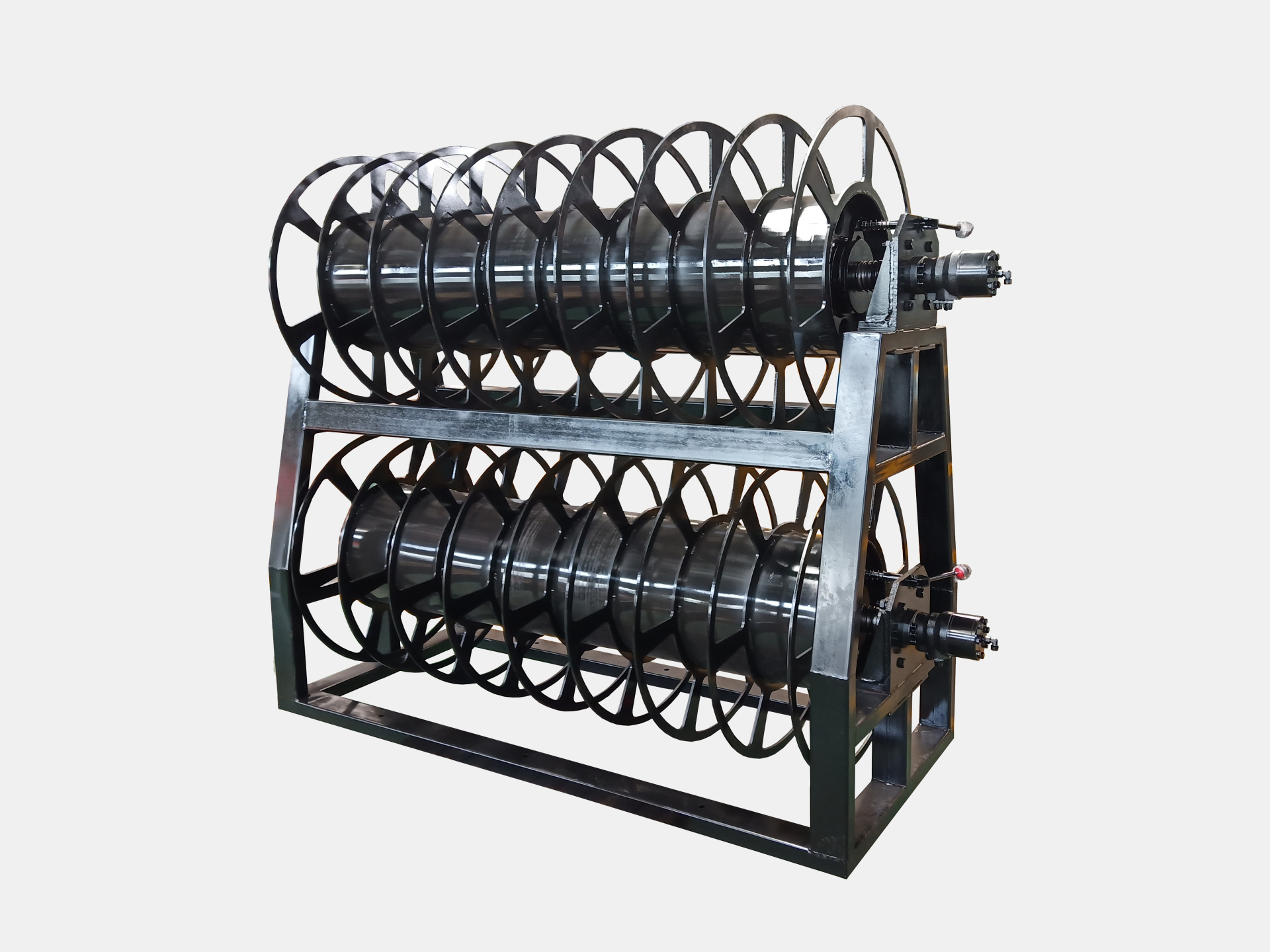
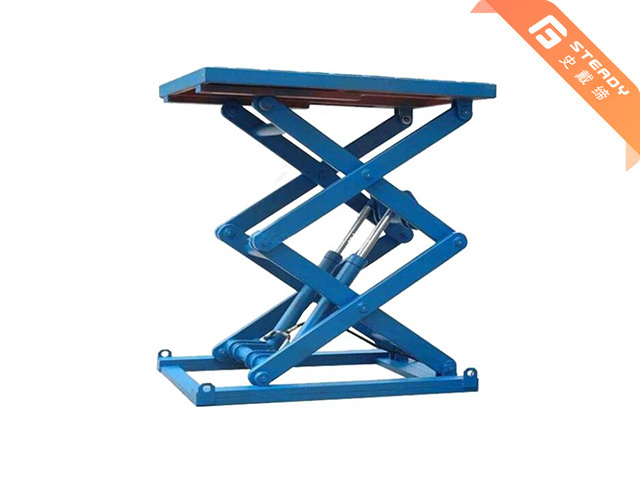
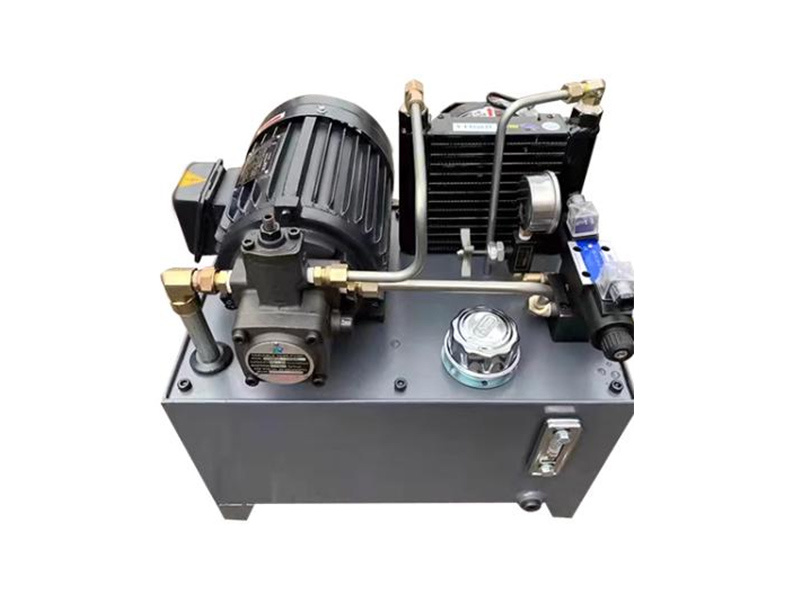
Shanghai STD Fluid Machinery Technology Co., Ltd. was established in 2007 with a registered capital of 5 million. It is located at No. 333 Jinxiang Road, Shanghai Free Trade Zone. There are 65 employees and 9 technicians. Our company mainly has hydraulic cylinders. Hydraulic station, automatic leveling legs, electric leveling legs and other on-board hydraulic and electric systems design and development, and provide hydraulic technology, electro-hydraulic, electric control technology solutions and ...
Read MoreService
Business advantage
News
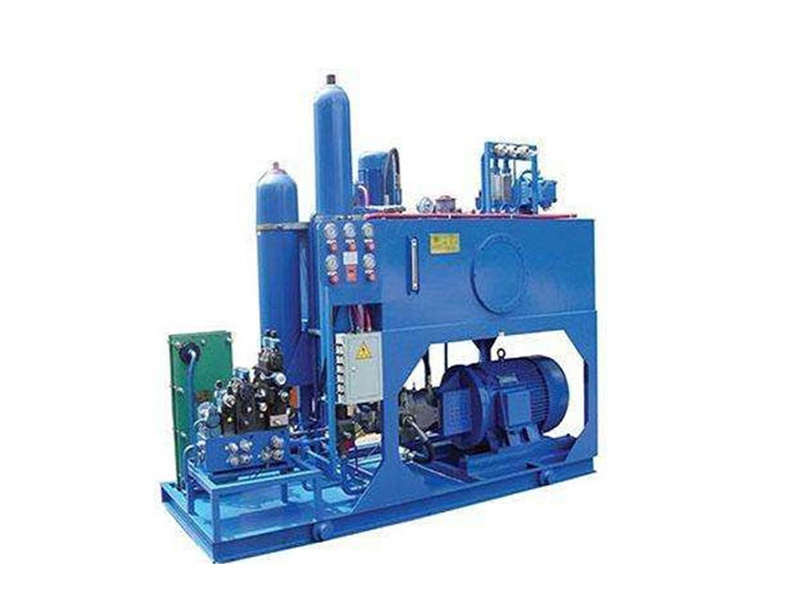
Hydraulic Power Units in Action: Real-World Applications and Case Studies
2026-10-26

Understanding Automatic Hydraulic Leveling Systems: Enhancing Stability and Efficiency
2026-10-21

Innovative Designs in Hydraulic Leveling Legs for Enhanced Efficiency
2026-10-16
Contact Us
We take it as our responsibility to help customers solve problems; we take pride in serving customers; we return every customer with perfect service;
Contact Us
Tel: +86-371-63677203
WhatsApp/zalo: +86-19137101745
E-mail: sales@sdd-hydraulic.com
Address: No. 58, Dongqing Street, High-tech Zone, Zhengzhou City

